

SMCC Electronic Component Quality Control & Counterfeit Prevention Solutions
2026-07-28
In the semiconductor supply chain, a single counterfeit or refurbished component can shut down an entire production line. According to industry statistics, the global market for counterfeit electronic components has reached tens of billions of US dollars — and inbound inspection in the distribution chain is the last physical line of defense to prevent defective materials from entering customers’ production lines.
SMCC’s quality inspection system is built precisely on this defense line. Our inspectors follow a complete process from goods receipt, initial visual screening, in-depth instrument verification, electrical testing, to final approval, forming a solid foundation for quality assurance.
Quality Process Overview
Four Progressive Levels from Receipt to Release
SMCC’s quality inspection is not a single action, but an irreversible workflow from warehousing → inspection → release.
Level 1: Warehouse Pre-Receipt
Warehouse staff conduct an initial verification of part numbers, quantities, outer package integrity, and MSL (Moisture Sensitivity Level) status based on the packing list and invoice. After acceptance, the SMCC WMS system generates an inbound task list, and materials along with task sheets move to the QC pending area. Any abnormalities during receipt — mismatched quantities, incorrect part numbers, damaged packaging — result in immediate material hold with no further processing.
Level 2: Inbound Procedure
The quality team starts formal inspection based on the inbound task sheet by locating corresponding materials in the pending area. The task sheet includes basic batch information and customer-specific inspection requirements, ensuring every inspection is standardized and traceable.
Level 3: Detailed Inspection Operations
Beginning with EVI (External Visual Inspection), additional in-depth tests such as X-Ray, decapsulation, and solderability testing are applied based on material type and customer requirements.
Level 4: Pass & Non-Conformance
Materials that pass inspection move to the pre-warehousing area with task sheets for shelving. Non-conforming materials remain in the pending area until a disposition plan is confirmed and will not enter any circulation flow.
EVI (External Visual Inspection)
The First Line Against Counterfeiting
EVI is the most effective screening step in SMCC’s QC system — most refurbished and counterfeit parts reveal flaws first through visual inspection.
Inspection covers six major categories:
Labeling
Packaging & MSL Compliance
Component Body
Body Marking
Leads & Solder Balls
Physical Dimension Measurement
(1) Labeling
Original manufacturer labels are often underestimated yet easily expose counterfeiters. Substandard printing, inconsistent QR code information, mismatched inner/outer labels, or inconsistent marking between label and component all trigger alerts. SMCC’s quality team maintains a historical label database to support accurate comparison for every batch.
(2) Packaging & MSL Compliance
Integrity of vacuum packaging for moisture-sensitive devices (MSL 2–6), validity of desiccants and humidity indicator cards (HIC) directly determine whether components risk delamination or “popcorn cracking” during reflow soldering.
(3) Component Body
Physical damage, contamination, oxidation, refurbishment marks, and secondary coatings are all clearly visible under microscopic inspection.
(4) Body Marking
Faded or peeling marking
Blurred printing
Inconsistent font, size or depth within the same batch
Mismatched marking on top and bottom surfaces
Ghost printing or double marking
Incorrect logo printing
Mismatched part number code
Any of these seven abnormalities triggers an in-depth review process.
(5) Leads & Solder Balls
Bent, broken, oxidized, scratched, discolored leads or solder residues, as well as deformed or missing BGA solder balls, directly cause cold joints and poor connections in production.
(6) Physical Dimension Measurement
Dimensions are compared against official datasheet drawings. Any deviation beyond tolerance results in immediate rejection.
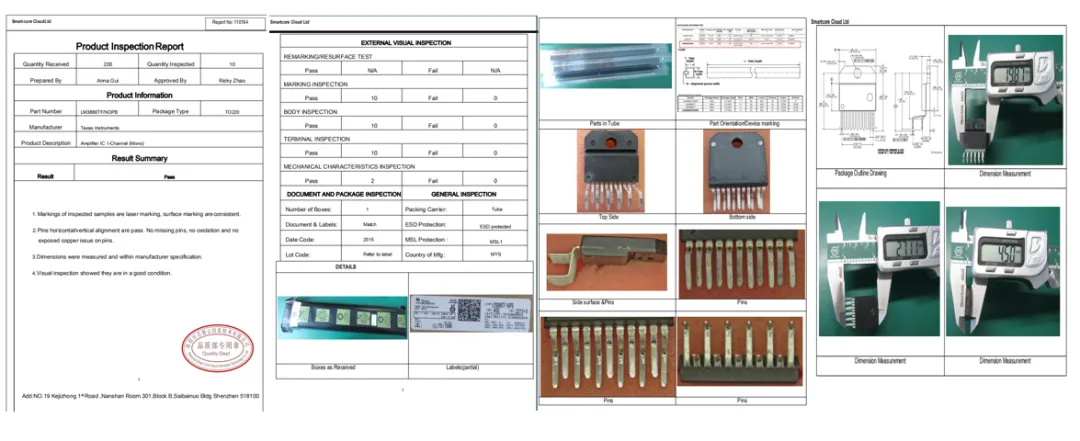
Upon completion of EVI, an official SMCC EVI report is generated for full traceability.
In-Depth Testing
X-Ray, Decapsulation & Solderability Testing
When EVI cannot provide conclusive results or customers require higher verification standards, SMCC implements advanced instrument testing.
X-Ray: Non-Destructive Internal Structure Verification
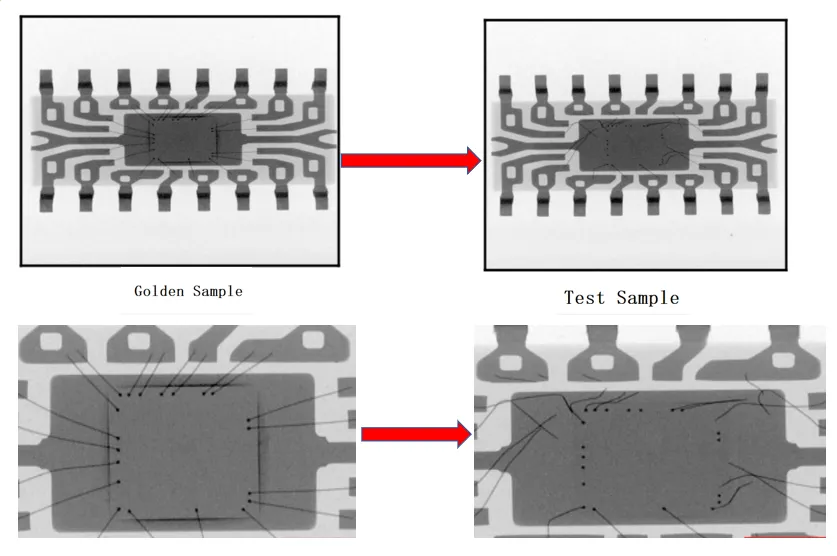
X-Ray inspects internal structures such as wire-bonding integrity, broken or aged bonds. These details are invisible under standard microscopes. Testing typically involves side-by-side comparison with golden samples; any structural deviation is clearly visible in imaging.
Decapsulation
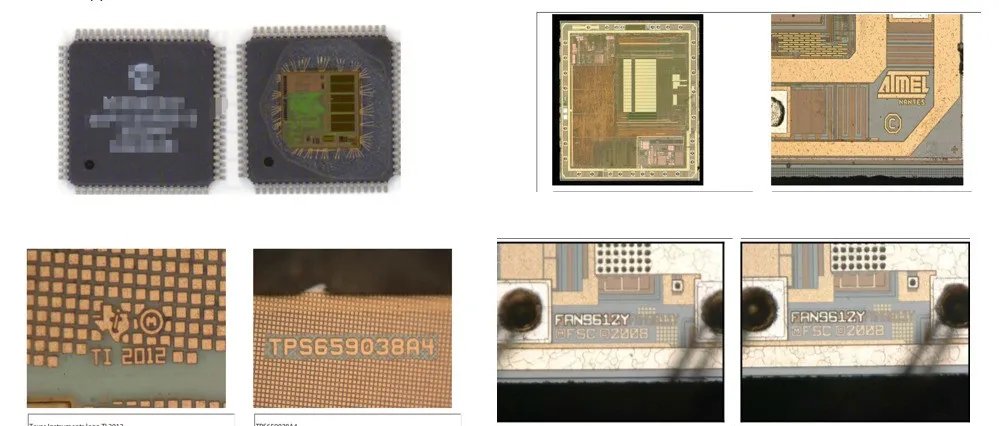
Components are chemically or laser-etched to expose the die. Markings, layout codes, and process features on the wafer are non-counterfeitable, making this the most definitive method to verify authenticity.
Solderability Test
Solderability testing evaluates the reliability and stability of component leads during soldering. Poor solderability leads to functional failure or early degradation in finished boards.
SMCC performs mandatory solderability testing on DC components with a storage period exceeding 2 years. This preventive measure avoids costly rework caused by hidden oxidation or degraded solderability.
Case Studies
Four Typical Counterfeit Methods
Case 1: Refurbished BGA
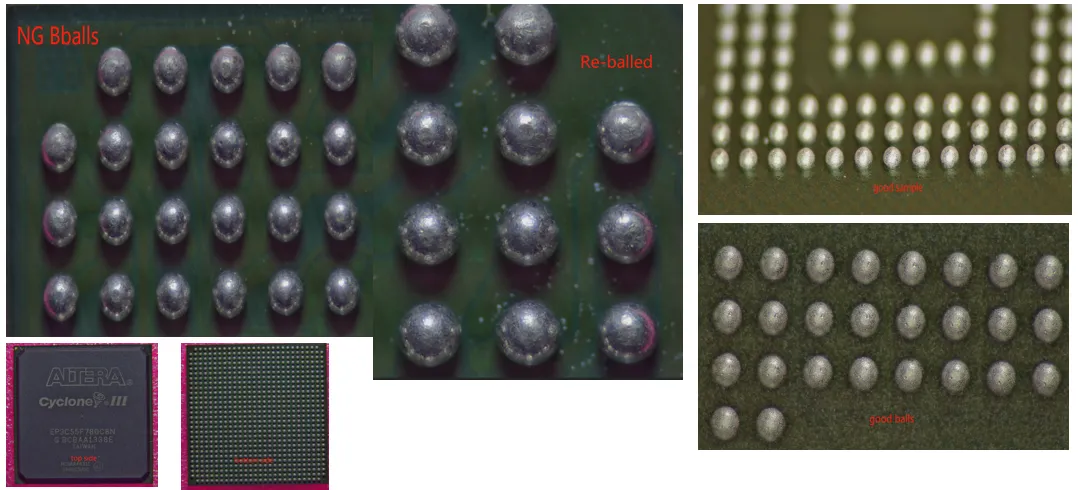
Part: EP3C55F780C8N, Brand: Altera. EVI revealed abnormal traces between BGA solder balls and substrate, inconsistent ball formation, and non-original residues. Judged as refurbished.
Case 2: Visual Anomaly
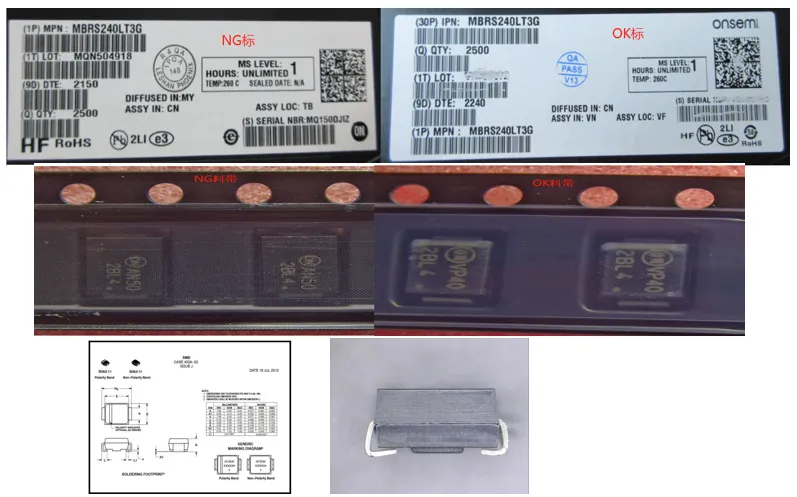
Part: MBRS240LT3G, Brand: ON Semiconductor. Label, reel, and tape showed abnormalities compared to historical records. Body dimensions did not match official datasheet specs. Judged as counterfeit.
Case 3: Sanding & Re-tinning
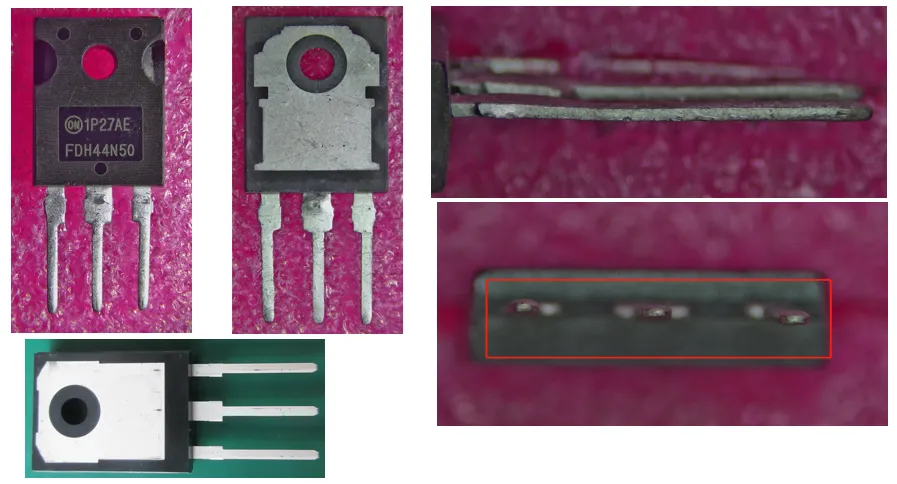
Part: FDH44N50, Brand: ON Semiconductor. EVI detected sanding marks on the component surface and re-tinned residues on leads — a typical refurbishment method. Judged as refurbished.
Case 4: Secondary Coating & Lead Refinishing
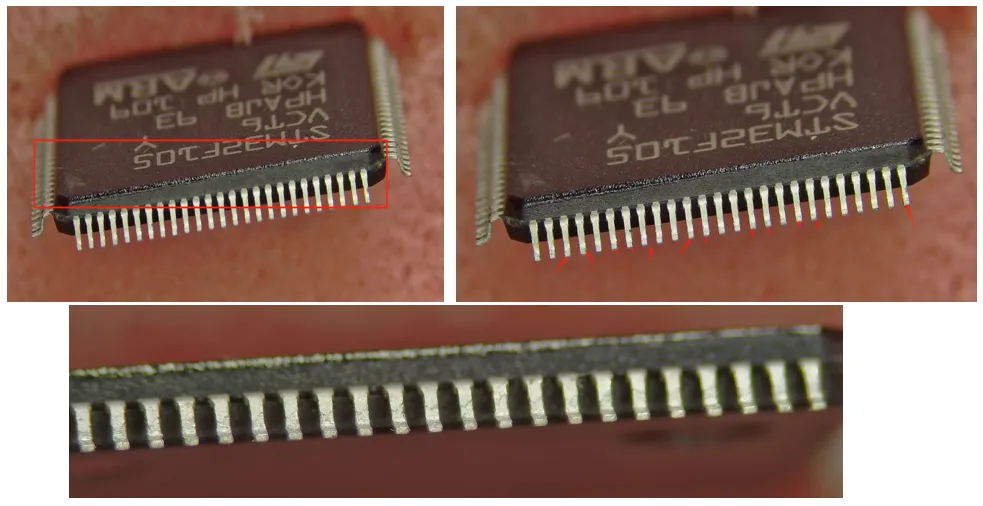
Part: STM32F105VCT6, Brand: STMicroelectronics. Secondary coating on the component body and mechanical rework on leads were identified. Judged as refurbished.
SMCC Quality Inspection
Preventing Defective Parts at the Source
For SMCC, quality inspection is not an optional service but the foundation of our supply chain business. Every batch shipped undergoes strict inbound inspection, EVI, and in-depth testing when required.
100% quality compliance is supported by a complete, implementable system. We strictly follow international standards including AS6081, IDEA-STD-1010, AS5553, AS6171, EIA/JEDEC, and IPC. Full traceability is ensured through EVI reports, X-Ray imaging, and die verification.
SMCC customers no longer need to rely solely on supplier integrity. Before every batch leaves our warehouse, we complete a full “suspect first, verify thoroughly” inspection process to prevent defective components from entering production.
-
In the semiconductor supply chain, a single counterfeit or refurbished component can shut down an entire production line.
-
In the traditional electronic component cycle, price fluctuations are often driven by inventory changes. However, the current memory market is undergoing a complete logical reshaping.
-
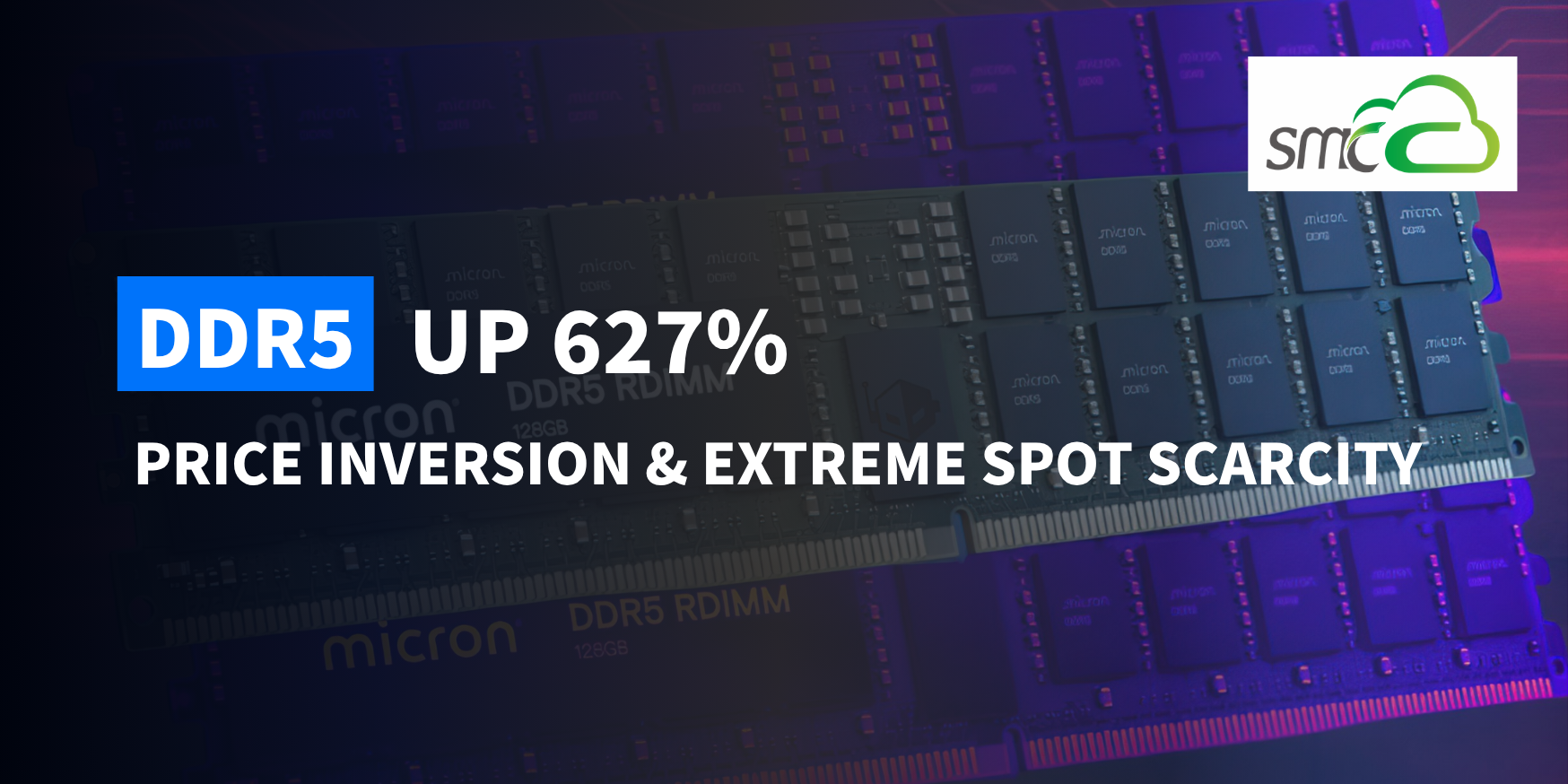
DDR5, once a cost-effective and readily available memory solution, has completely rewritten the history of the memory industry cycle. In just one year, DDR5 DRAM chips have surged by an unprecedented 627%, creating a rare inter-generational price inversion where DDR4 now costs more than DDR5. The market has undergone an extreme reversal from "cheap and abundant stock" to "high prices and severe shortages."
-

In the first half of 2026, the global semiconductor industry maintains a strong recovery momentum and officially enters a new round of high-boom cycle.

Contact 15/F., Tower B, Regent Centre, 70 Ta Chuen Ping Street, Kwai Chung, N. T,Hong Kong TEL:00852-6763-0779 E-mail:sales@superic.com
SOCIAL


Natural resources
